
Last updated: 2026
Losing weight is challenging. But with the right guidance and understanding, it’s possible to lose weight fast without struggling or relying on extreme methods.
I followed this simple, practical approach myself, and it helped me — and many others — lose weight and keep it off over the long term.
I use the phrase “keep it off” intentionally. Many people lose weight quickly, only to gain it back once they stop dieting. This usually happens when weight loss is driven by short-term, aggressive methods instead of sustainable habits.
This guide focuses on how to lose weight fast naturally and responsibly, so the results don’t disappear once the diet ends.
Before discussing approaches to weight loss, it’s important to understand how fat loss actually happens in the body. Weight loss methods only work when they align with the underlying biological process that governs fat storage and release. This is explained in detail in our guide on how fat loss works.
What Does Losing Weight Fast Actually Mean?
When people say they want to lose weight fast, they usually mean one thing:
they want to see the number on the scale go down quickly.
That’s understandable — especially if you’ve been struggling for a long time.
But here’s the part most articles don’t explain clearly: not all weight loss is the same, and not all fast weight loss is fat loss.
Fat loss vs water weight (this matters more than you think)
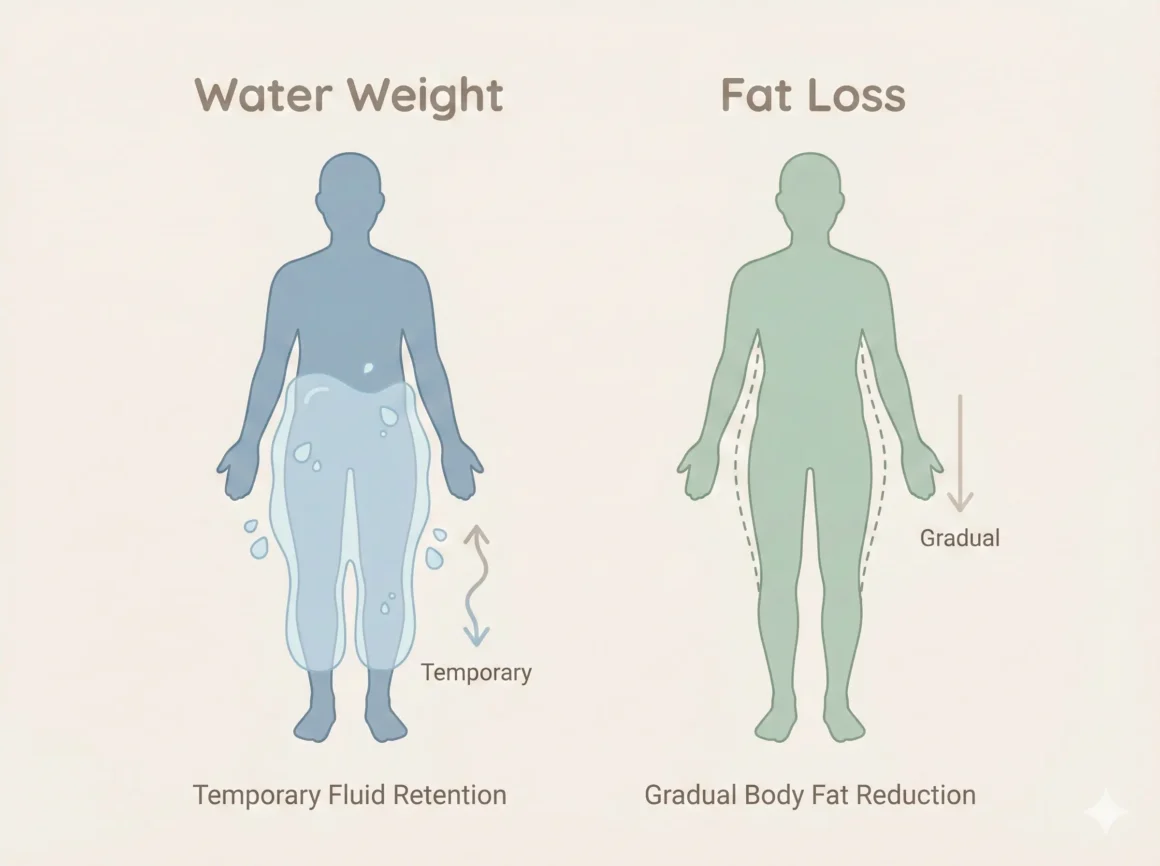
In the first few days of dieting, most people lose weight rapidly. This early drop feels motivating, but a large part of it comes from water weight, not body fat.
When you reduce calories and carbohydrates, your body uses up stored glycogen (its quick energy reserve). Glycogen holds water, so when it’s depleted, the scale drops fast. This is normal. It’s not fake progress — but it’s also not pure fat loss.
Real fat loss happens more slowly. It doesn’t always show up every day on the scale, but it shows up over time if your habits are right.
Understanding this difference prevents frustration and helps you stay consistent instead of quitting too early.
What “fast but safe” weight loss really looks like
Losing weight fast does not mean starving yourself, cutting entire food groups, or forcing your body into extremes.
In practical terms, fast and sustainable weight loss usually means:
- Creating a controlled calorie deficit
- Eating enough protein to protect muscle
- Losing fat steadily while keeping energy levels stable
For most people, this translates to visible changes within a few weeks — not overnight, but fast enough to stay motivated without damaging metabolism or health.
The biggest mistake people make is trying to lose weight as fast as possible instead of as efficiently as possible. Extreme calorie cuts may cause quick drops, but they almost always lead to plateaus, burnout, or weight regain later.
Why so many people regain weight after losing it
This is where most “lose weight fast” advice fails.
People regain weight not because weight loss is impossible, but because:
- The method they followed was temporary
- Calories were cut too aggressively
- Hunger and cravings were never managed
- No sustainable routine was built
When the diet ends, old habits return — and so does the weight.
Fast weight loss only works long term when it’s built on habits you can maintain, even after the scale stops moving quickly.
Setting the right expectations from the start
If you approach weight loss with the right expectations, everything becomes easier.
You should expect:
- Faster results in the first 1–2 weeks
- Slower, steadier fat loss after that
- Occasional plateaus that don’t mean failure
You should not expect:
- Linear daily scale drops
- Instant visible changes everywhere
- Results without consistency
Losing weight fast is not about rushing your body — it’s about removing the right obstacles so fat loss can happen efficiently and predictably.
Once you understand this, the steps that follow make sense — and more importantly, they actually work.
What to Expect in the First 30 Days of Losing Weight Fast
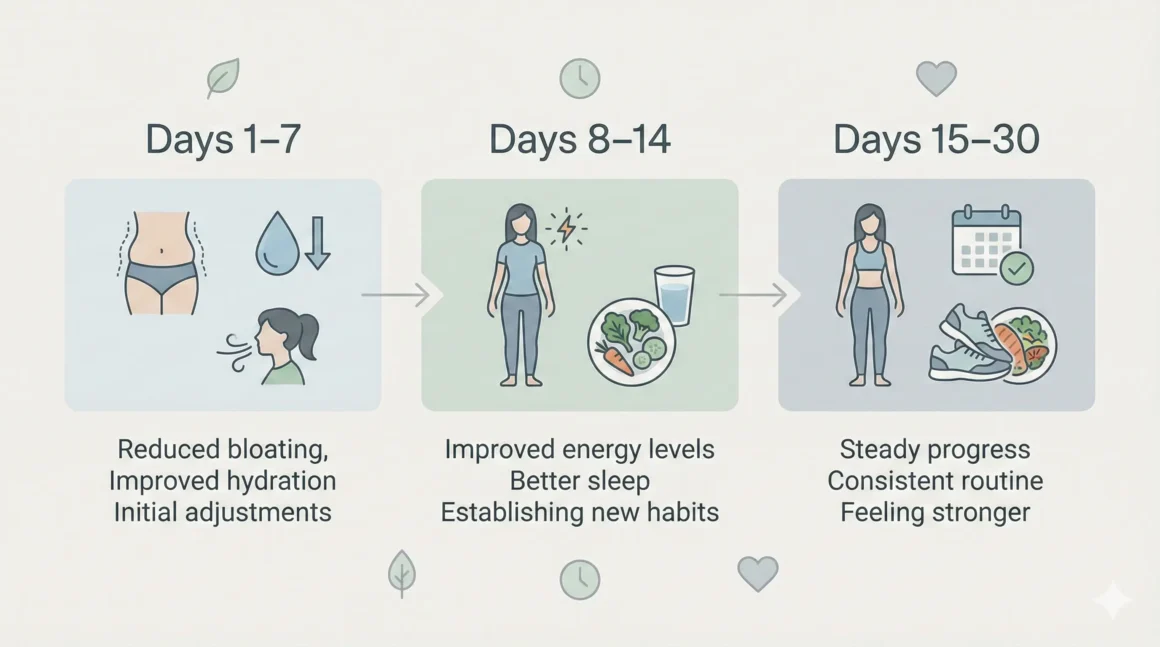
Weight loss doesn’t happen in a straight line, even when you’re doing everything right. Understanding what typically happens in the first 30 days helps you stay consistent and avoid second-guessing yourself.
Days 1–7: Fast changes and high motivation
In the first week, most people notice a quick drop on the scale. This is usually a mix of water weight and the beginning of fat loss.
You may feel:
- Less bloated
- Lighter within days
- Highly motivated to continue
Hunger can fluctuate during this phase as your body adjusts to lower calories and different food choices. Staying consistent here matters more than perfection.
This early progress is normal — but it’s only the beginning.
Days 8–14: Slower scale movement, real fat loss
During the second week, weight loss often slows down. This is where many people panic and think something is wrong.
In reality:
- Water weight loss stabilizes
- Fat loss becomes the primary driver
- Your body adapts to the new routine
You might feel hungrier on some days, especially if protein intake or sleep is low. This phase tests patience, but staying consistent here is what separates real progress from temporary results.
Days 15–30: Visible changes and habit formation
By the third and fourth week, changes become more noticeable — even if the scale doesn’t move dramatically every day.
This is when people often notice:
- Better-fitting clothes
- Improved energy levels
- More control over hunger and cravings
Fat loss becomes more sustainable when your routine starts feeling normal instead of forced. The focus shifts from “losing weight fast” to keeping the progress going without burnout.
Why the scale doesn’t tell the full story
Daily weight fluctuations are normal and don’t reflect actual fat loss accurately. Factors like water retention, sodium intake, digestion, and sleep can affect the scale.
Progress should be measured using:
- Weekly averages
- Body measurements
- How clothes fit
- Energy and consistency
The goal of fast weight loss isn’t to chase numbers — it’s to build momentum that lasts.
Common Mistakes That Stop Fast Weight Loss
Many people follow the right steps but still fail to see results — not because weight loss doesn’t work, but because small mistakes quietly slow progress.
Cutting calories too aggressively
Drastically reducing calories may lead to quick scale drops at first, but it often backfires. Extreme deficits increase hunger, reduce energy levels, and make consistency harder to maintain.
When calorie intake drops too low, the body adapts by conserving energy. This slows fat loss and increases the likelihood of overeating later.
Fast weight loss works best when the calorie deficit is controlled, not extreme.
Eliminating entire food groups
Completely removing carbohydrates or fats can make a diet harder to sustain. While short-term restriction may cause rapid weight changes, it often leads to cravings, fatigue, and poor adherence.
Balanced nutrition allows the body to function properly while still losing fat efficiently.
Overdoing cardio and ignoring recovery
Excessive cardio without proper rest can increase stress levels and slow recovery. More exercise does not always mean better results.
Strength training and moderate activity help preserve muscle and support fat loss, especially when combined with adequate sleep.
Ignoring protein and fiber intake
Low protein and fiber intake make hunger harder to control. Without enough of these nutrients, calorie deficits feel more difficult and lead to frequent snacking or overeating.
Prioritizing protein and fiber helps maintain fullness and supports sustainable fat loss.
Expecting daily scale drops
Daily weight fluctuations are normal and do not reflect true fat loss. Relying solely on the scale can cause unnecessary stress and discourage consistency.
Progress should be judged over time, not day-to-day changes.
Who Should NOT Try to Lose Weight Fast
While many people can safely lose weight at a faster pace with the right approach, fast weight loss is not suitable for everyone.
Some individuals may need a slower, more gradual approach depending on their health, lifestyle, or past experiences with dieting.
You should avoid aggressive weight loss methods if you:
- Have a history of eating disorders
- Are pregnant or breastfeeding
- Are recovering from illness or injury
- Feel extreme fatigue, dizziness, or weakness during dieting
- Have medical conditions that require close nutritional monitoring
In these cases, prioritizing overall health and long-term habits matters more than speed.
Even for healthy individuals, fast weight loss should never feel unbearable. Constant exhaustion, mental fog, or loss of control around food are signs that the approach needs adjustment.
Losing weight efficiently is about working with your body, not forcing it.
If you’re unsure whether fast weight loss is appropriate for you, slowing down and focusing on consistency is always the safer option.
The steps below are designed to work together, not as isolated rules. You don’t need to apply everything perfectly from day one. Focus on consistency over intensity, make gradual adjustments, and allow your body time to adapt. When these principles are followed together, fast weight loss becomes more predictable, manageable, and easier to maintain.
1. Limit your sugar Intake
Reducing sugar intake is one of the fastest ways to create meaningful change early on. Sugar adds calories without fullness and makes it harder to control hunger throughout the day. When sugar intake drops, cravings often reduce naturally, making it easier to stay consistent without relying on willpower alone.
Well, you don’t have to completely eliminate sugars but you need to avoid it most of the time or find a healthy alternative.
Start by removing table sugars and then eliminate foods filled with sugar. The best way to find out how much sugar a food has by keeping an eye on its nutrition label.
2. Know your daily calorie needs
Understanding your calorie needs gives you clarity instead of guesswork. Without this awareness, many people unknowingly eat more than they think or restrict too much. Knowing your baseline helps you make informed adjustments rather than relying on extremes that are hard to maintain.
Because, if you don’t know how much you have to eat, You will probably end up eating more or gaining weight, instead of losing it.
How to calculate calories for weight loss?
Enter your info in the weight loss calorie calculator below to get an estimated idea of how much calories you need per day to lose weight. Once you find your daily calories, move to the next step.
To better understand your activity levels, See this activity level chart.
3. Create a Calorie Deficit
A moderate calorie deficit allows fat loss to happen without overwhelming the body. Large deficits may feel productive at first, but they often lead to fatigue, poor recovery, and loss of consistency. A controlled deficit keeps progress steady and reduces the chances of rebound weight gain.
A calorie deficit is eating fewer calories than your maintenance calories need, in order to lose weight.
Remember not to create a huge calorie deficit, for example, 1500 calories less than maintenance. Reducing so many calories at once makes fat loss harder later.
And, If you might lose some weight by creating such a huge deficit, you’ll gain it back as soon as you come off your diet.
Start with a 500 calorie deficit and then gradually decrease calories as you progress.
4. Track Your Calories
Tracking calories isn’t about perfection — it’s about awareness. Even short-term tracking helps you recognize portion sizes and hidden calories. This awareness alone often leads to better food choices and prevents accidental overeating during a calorie deficit.
You don’t have to do this for your whole life, but doing it for starting weeks can help you get an idea of how much to eat.
The best, free and the easiest way to track calories is to use the MyFitnessPal app or the website.
Just sign up, add the food you eat in the app and it will show you the complete nutrition, calories it contains.
This is so simple? Isn’t it. It will help you to stay on track with your calorie requirements and reminds you not to overeat.
Let’s talk about nutrition now!!
Diet is the most, most, and the most important factor for weight loss. Losing weight without a proper diet is like hoping for a miracle to happen.
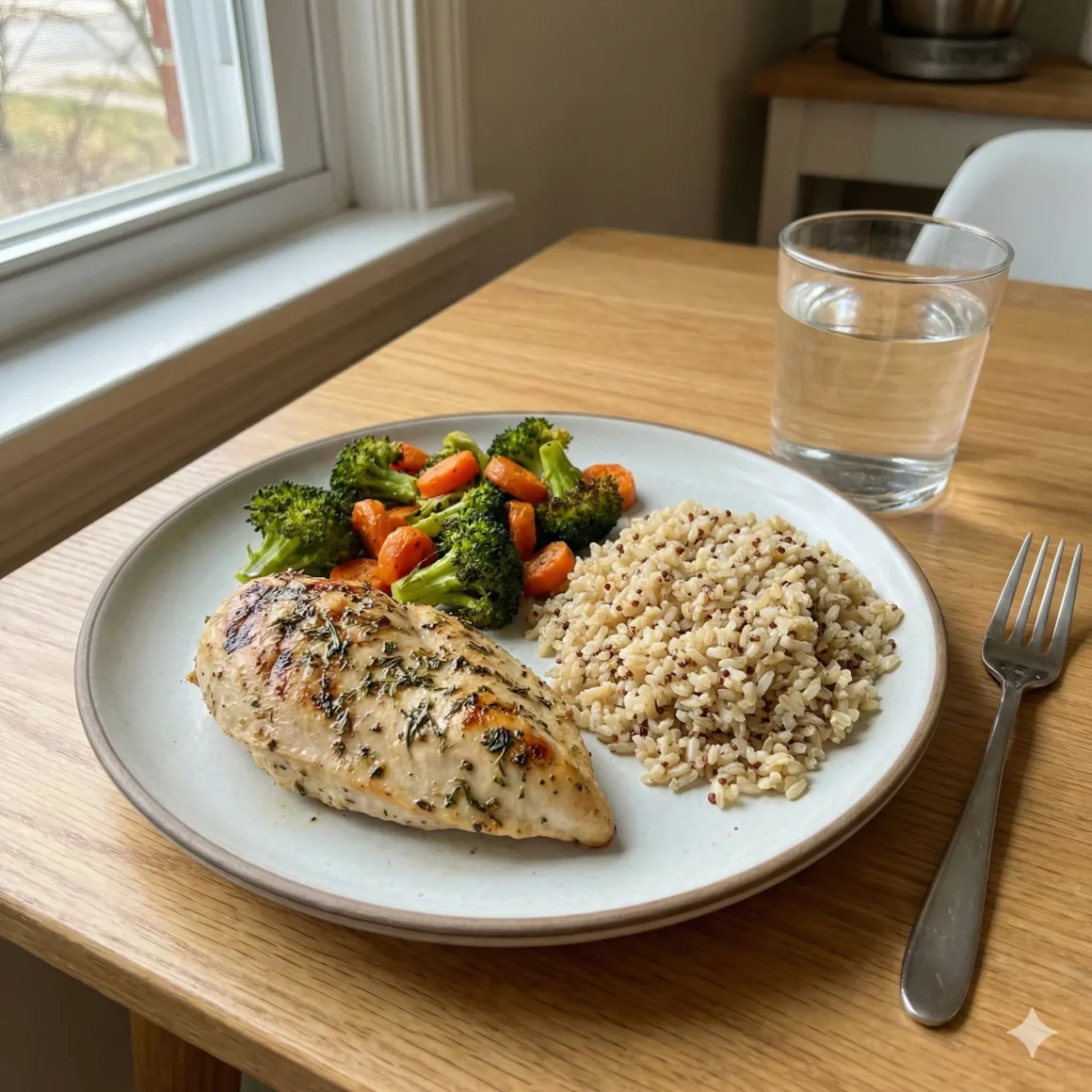
Whether you are working out intensely or doing any physical activity, without a well-rounded diet, it is impossible to lose fat.
Diet provides your body with adequate nutrition you need to stay healthy and burn fat.
5. Eat More Protein to Lose Weight Fast
Protein plays a key role in fast weight loss because it helps preserve muscle and keeps you feeling full longer. When protein intake is low, hunger becomes harder to manage, making a calorie deficit feel much more difficult than it needs to be.
Here are some Best Protein Foods For Weight Loss.
Following a High Protein Diet increases body metabolism which helps burn more calories efficiently.
High protein intake also reduces the risk of hunger, reduces appetite and control cravings during low-calorie deficit diet.
So, if you’re on a 1500 calories diet, make sure you are eating 40% of calories from protein. Eating more protein can helps you not to overeat on a deficit.
6. Avoid Processed Carbs
Processed carbohydrates digest quickly and often leave you feeling hungry soon after eating. Replacing them with whole-food carbohydrate sources helps stabilize energy levels and supports better appetite control, which is essential when trying to lose weight efficiently.
Simple and processed carbs are quickly digested by the body. they cannot help you feel full which makes you hungry again in no time and leads you to overeat.
How many carbs a day to lose weight fast?
A good rule is, 30% of your total calories should from carbs. For Example, If you are on 1500 calories diet, eat 450 calories from carbs.
After losing the first few kilos, try reducing carbs to 20%, to give your body a slight change.
Never cut out carbs completely, it may leave you to feel lethargic, prone to headaches, constipation, etc.
Which type of carbohydrates you should eat?
Make sure not to eat simple carbohydrates as it promotes high insulin levels, increases appetite and makes you overeat, which can hinder your weight loss diet.
Always try to eat complex carbs from sources like Oats, Brown rice, vegetables, whole grains, etc.
But in case, if you don’t have enough complex carb sources, you can eat simple carbs combined with protein & fat to slow digestion.
But always prioritize complex carbs over simple carbs.
What is the best time to eat carbs?
Generally, there is no rule of thumb. You can eat them whenever you want, but for the best results, eat them on breakfast or around your workout.
Eating carbs an hour before a workout makes you feel less hungry post-workout and gives you an energy boost for a high-intensity workout.
Vegetables and Fruits are a great source of carbs with so many essential nutrients. Here is the list of some low-calorie high fiber foods which can help you feel full during a calorie deficit
7. Eat Fat To Lose weight fast –
Healthy fats slow digestion and contribute to a feeling of fullness, which can reduce unnecessary snacking. Including the right types of fat helps make meals more satisfying, making it easier to stay consistent with a calorie deficit over time.
Eating fat helps burn fat and here’s why –
- Provide 9 calories per gram.
- Fat digests slowly which helps reduce appetite.
- Help reduce daily food intake.
- The primary source of energy when carbs are low.
Eating fat creates the feeling of fullness that controls your cravings and hunger on a calorie deficit diet.
What is good fat and bad fat?
There are four types of fats, they are as follows –
Saturated fats – Eat this fat in less amount, eating it more raise cholesterol levels.
Eat this only from the sources like Egg yolks, Red meat, Lamb, Pork, Butter, Milk, Coconut oil.
Monounsaturated Fats – Eat this fat in a good amount. This fat supports insulin sensitivity and healthy energy levels.
Found in Nuts, Avocados, Olive oil, Peanut butter, Almonds, Eggs, Chicken thigs, Beef.
Polyunsaturated fats – The healthiest fat, include Omega 3 and Omega 6 fats which promote brain functions, lower cholesterol levels, reduce triglycerides, and reduce inflammation in the body.
Found in Almonds, Walnuts, Flax seeds or Flax Oil, Fish, Salmon, Tuna, Corn Oil, Almonds.
Trans fats – The unhealthiest and cause of many underlying diseases. Eliminate this fat from your life.
A note on consistency:
Fast weight loss works best when you stop treating it as a deadline and start treating it as a process. The goal isn’t to finish quickly — it’s to reach a point where continuing feels natural.
8. Eat More Fiber
Fiber adds volume to meals without adding excessive calories. It supports digestion, improves satiety, and helps regulate appetite. A diet higher in fiber often feels easier to maintain, especially during periods of reduced calorie intake.
Soluble Fiber helps prevent belly fat by promoting gut bacteria. It also helps to control blood sugar levels and lowers cholesterol levels.
Insoluble fiber, on the other hand, passes the food fast through the digestive system. This helps maintain regularity and prevent constipation. It also makes stools easier to pass by increasing fecial bulk.
Eat vegetables such as Broccoli, Cauliflower, Spinach, Onion, Tomatoes, Cucumber, Asparagus, Spinach, Green beans, and Cabbage.
9. Indulge in a Physical Exercise
Exercise supports fast weight loss by helping maintain muscle and prevent metabolic slowdown. While diet drives fat loss, physical activity improves long-term results by increasing daily energy expenditure and supporting overall health.
Why it is important to exercise?
Losing weight slows down your metabolism which is why some people get stuck on the same weight for months and not lose fat further.
Burning calories with the help of exercise prevent it from slowdown.
Lifting weights also helps maintain muscle mass while losing weight and helps you get a lean body.
If you are not comfortable with lifting weights or any other reason for not doing it, do some cardio or jogging daily.
10. Make It Your Lifestyle
Lasting weight loss depends on habits you can sustain beyond the initial phase. Temporary changes may lead to temporary results, but consistent routines are what prevent weight regain. Treating these steps as part of your lifestyle makes progress feel natural instead of forced.
For permanent weight loss, you must make permanent changes in your diet and lifestyle.
No matter if you’re following a vegan diet for weight loss, KETO diet, Low Carb diet or any other. Just make sure you follow it consistently and make it habitual.
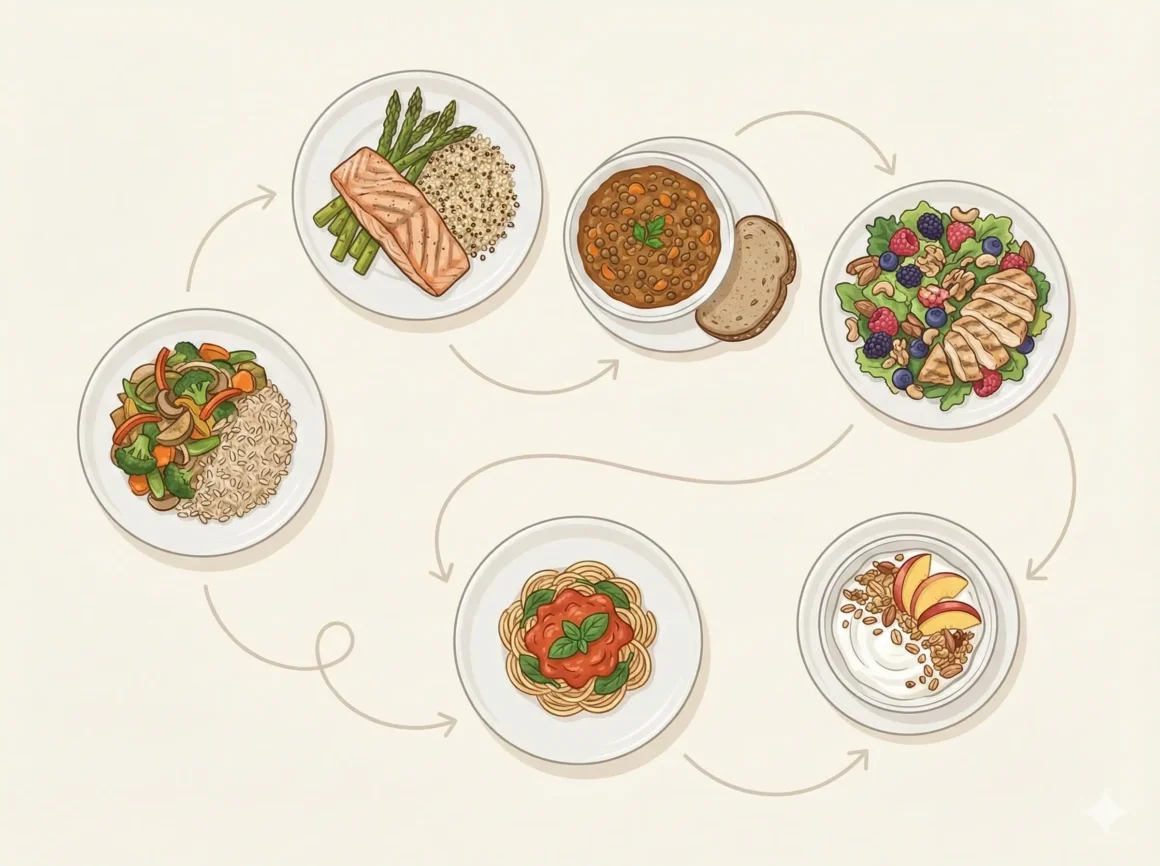
Sample Weight loss Diet PlanI’ve spent years learning through personal experience what actually works for weight loss — not quick fixes, but methods that are practical, sustainable, and realistic in everyday life. This guide is based on applying these principles consistently, understanding how the body responds to calorie changes, and avoiding the common mistakes that cause people to regain weight.
The goal of this article is to explain weight loss clearly, without hype or extremes, so readers can make informed decisions and build habits that last.

Disclaimer – If you have any medical condition, talk to your doctor before doing any changes to your diet. Thanks for reading, Livefitnow. Featured in Top 200 fitness blogson the web.








4 comments
I want to lose weight
Wonderful, what a blog it is!
Hie Dannie, Thanks for reading it. :)
perfect article
Comments are closed.